
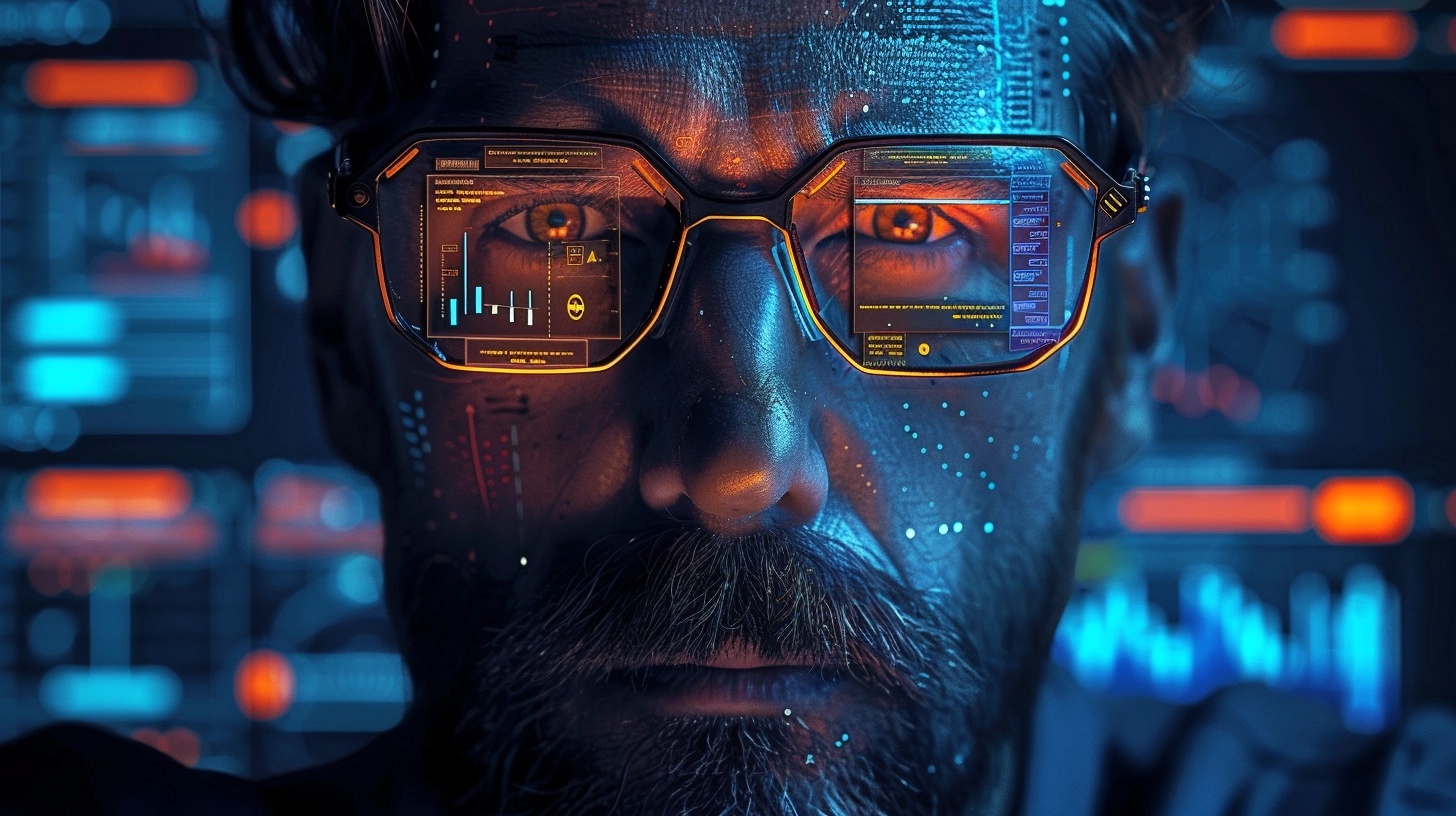
The programming revolution: Goodbye to code or welcome to a new era?
It’s the million-dollar question: will programmers be replaced by artificial intelligence? Spoiler alert: No. But get ready, because programming is undergoing a metamorphosis worthy of a science fiction novel. If you thought you’d seen technological revolutions, hold on tight, because what’s coming is the reinvention of everything we know (or thought we knew) about software development.
A walk through history: the evolution of the code
Let’s take a flashback—a trip back in time, where programming began by connecting physical circuits. From there we advance to machine language (literally flipping switches), until we reach assembler and, eventually, to high-level languages such as Fortran, C++ and Java. And what happened? The world did not run out of programmers, but more appeared. The barrier to entry decreased and demand exploded.
Remember when writing a driver was an art?
Windows encapsulated that knowledge in its APIs. Suddenly, you didn’t need to know how to talk to the hardware directly; the operating system did the heavy lifting. Result? Instead of decreasing, the number of developers grew like cat video clips on the Internet. More accessibility = more creativity.
And now, what about the AI?
Artificial intelligence seems to promise us the utopia of “CHOP” or chat-oriented programming: you talk to the AI as if it were your geek colleague, and it generates prototypes in Python in minutes. But let’s be super frank: far from replacing us, this tool is here to empower us. It makes us faster, more creative and, yes, even a little more ambitious.
An “AI-literate” developer is worth gold
The key is to adopt these tools before others do. According to Steve Yegge, it will not be junior developers who lose to AI, but rather those very stubborn ones who refuse to evolve. Who needs to have 20 years of debugging experience when a junior with AI can produce brilliant results in a fraction of the time?
The big changes in the programmer’s tasks
If you already feel that your job as a programmer is changing, you are not wrong. Today more than ever, your digital colleagues can take care of the repetitive while you put on the star innovator suit.
Automation: from tedious to brilliant
Instead of struggling for hours with basic code, consider tools like HuTouch, which generate interfaces and functional code based on project specifications. The mantra here is clear: let the AI do the first pass, and you focus on the interesting challenges.
Communication: goodbye generic emails
How many times have you felt like you were wasting time preparing emails to update your client? Imagine an AI that prepares the perfect email based on the current status of the projects. Tools like Notion are already taking us a step further, freeing us from mechanical work.
Personalized learning: Classes just for me?
You no longer need to get lost among millions of results on Google. An AI like Pluralsight can analyze your current skills and recommend fully personalized learning materials. This is not just professional improvement; It’s like having your private teacher 24 hours a day.
What does all this mean for the future of development?
To be clear, we are not talking about the end of programming. We are talking about a new beginning. More opportunities, more tools and, yes, more creative challenges. Companies will need developers who can put the pieces together: know what can be automated, what needs human oversight, and how to interconnect these worlds.
Are we really prepared for this?
The truth is that this massive change requires continuous learning. As Bessen said, historically, it takes decades to master the implementation of new technologies. But hey, here’s the good news: curiosity, flexibility, and the hunger to learn will always be the most valuable currency. It’s never too late to update your toolbox and reinvent yourself in this AI-assisted era.
Last word: Take advantage of this moment
So here we are, at the crossroads: AI is transforming our professions, and as programmers, we have to run faster than ever towards the new. Whether creating code or structuring processes, our ability to adapt will be the reason for our success.
Oh, and if you have any questions, remember: AI is not here to replace you. It’s here to make you a programming legend.
This keeps Cristina’s tone relatable and lively, highlighting key points of AI’s past and future impact on programming, using visual, simple and emotionally resonant language. He is direct, optimistic and full of energy. Ready to lead the transformation? 😉